
RERA Registered Bungalow Projects in Dapoli: What Every Buyer Must Verify
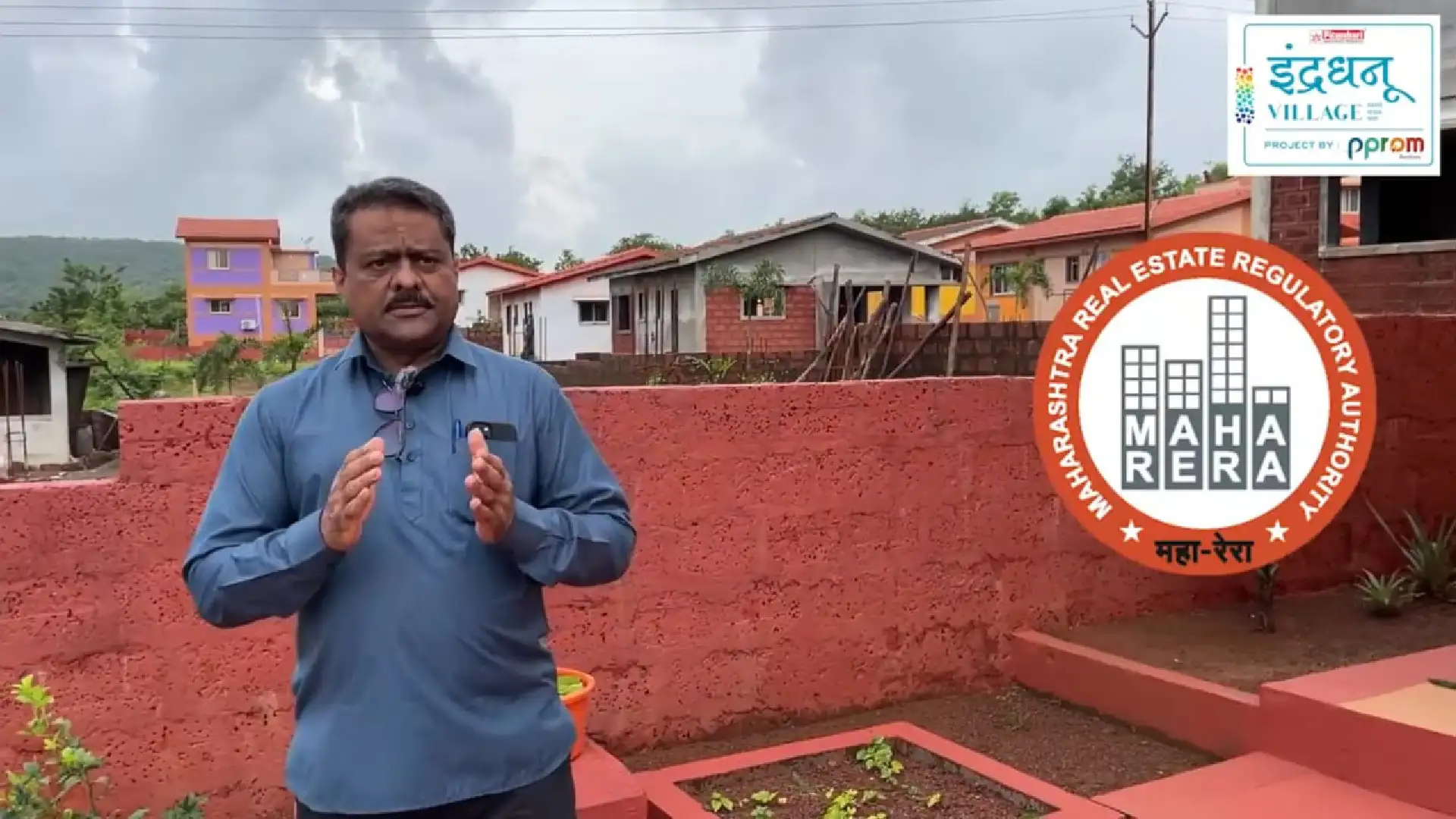
Buying a bungalow in Dapoli can be an exciting opportunity whether you are looking for a weekend home, a retirement retreat, a second home, or a property with long-term potential. However, purchasing a property is a significant financial decision, and attractive brochures or impressive site visits should never replace proper document verification.
One of the first things buyers should understand is RERA registration and what it actually means for a real estate project.
When researching RERA registered bungalow projects in Dapoli, buyers should look beyond a project’s marketing claims and independently verify its registration details, approvals, land ownership, construction status, and other relevant documents.
This guide explains the key checks every buyer should make before committing to a bungalow project in Dapoli.
What Does RERA Registration Mean?
The Real Estate (Regulation and Development) Act, 2016 (RERA) was introduced to bring greater transparency and accountability to India’s real estate sector.
For projects covered by the applicable RERA requirements, registration provides buyers with access to important project-related information through the relevant state RERA authority.
However, an important point for buyers is that RERA registration should not be treated as a substitute for complete legal due diligence.
A registered project still requires careful verification of:
- Land ownership
- Title documents
- Development permissions
- Approved plans
- Project specifications
- Possession commitments
- Agreements and payment terms
- Applicable local approvals
Therefore, RERA registration should be considered one important part of the buyer’s verification process, rather than the only check.
Why Should Buyers Verify RERA Details Before Buying a Bungalow in Dapoli?
Dapoli has become an attractive destination for second homes and holiday properties because of its coastal surroundings, greenery, connectivity and growing interest in tourism and residential development.
With increasing interest comes a wider range of property offerings.
Before paying a booking amount, buyers should verify whether the project information provided by the developer matches the records available with the applicable regulatory authority.
Key information to verify includes:
- RERA registration number
- Registered project name
- Promoter/developer details
- Project location
- Land details
- Approved project information
- Declared completion timeline
- Project status
- Details of the units being offered
- Any available complaints, orders or regulatory information
Always check the official RERA record rather than relying solely on a brochure, website, social-media post or sales representative.
Buyer’s Guide to Buying a Bungalow in Dapoli — Explore the complete process, from selecting a project and verifying documents to understanding costs, agreements and possession.
10 Things Every Buyer Should Verify
1. Check the RERA Registration Number
The first step is to ask the developer for the project’s RERA registration number.
Do not simply accept a registration number printed in marketing material. Search for the project through the official RERA portal and check whether the information corresponds with the property being offered to you.
Compare:
- Project name
- Promoter name
- Location
- Survey/land details
- Project type
- Proposed completion date
Any unexplained discrepancy should be clarified before proceeding.
2. Verify the Land Title
RERA registration does not eliminate the need to investigate ownership of the underlying land.
Ask for appropriate title-related documents and have them reviewed by an independent property lawyer.
Depending on the transaction and property structure, relevant documents may include:
- Title documents
- Previous ownership records
- Property card/land records, where applicable
- Encumbrance-related records
- Development or joint-development agreements, where applicable
- Power of attorney documents, where applicable
The objective is to establish that the person or entity developing and selling the property has the necessary legal rights over the land.
3. Verify the Survey and Property Details
A bungalow may be advertised using a project name or a particular plot number, but the legal documents may contain different identifiers.
Compare the details across the documents.
Pay particular attention to:
- Survey number
- Plot number
- Land area
- Project boundaries
- Location
- Unit number
- Common areas
These details should be consistent with the relevant approved and legal documentation.
4. Check Development Permissions and Approvals
A RERA-registered project can still require several other permissions and approvals.
The exact requirements can vary depending on the property’s location, project structure and applicable local regulations.
Before purchasing, ask the developer to provide relevant approvals applicable to the project.
Depending on the project, these may relate to:
- Building permission
- Layout approval
- Development permission
- Local authority approvals
- Environmental requirements
- Access roads
- Water and electricity infrastructure
- Other statutory permissions
A buyer should understand which approvals have already been obtained and which are still pending.
5. Compare the Approved Plan With the Actual Property
The bungalow you see in a brochure, sample house or 3D visualisation should not automatically be assumed to represent the legally approved development.
Ask to see the applicable approved plans and compare them with:
- Bungalow dimensions
- Built-up area
- Plot area
- Setbacks
- Parking
- Roads
- Amenities
- Common areas
- Proposed infrastructure
If something shown during the sales process does not appear in the approved documentation, ask for written clarification.
6. Understand Exactly What You Are Buying
“Bungalow” can mean different things depending on the project structure.
Before signing anything, determine whether you are purchasing:
- A plot with a bungalow
- A constructed bungalow
- A bungalow under construction
- A villa with an undivided land interest
- A leasehold interest
- Another legally structured property arrangement
The sale agreement should clearly describe what is being transferred to you.
Do not rely only on verbal explanations.
7. Review the Agreement Carefully
The agreement is one of the most important documents in the purchase process.
Before signing, review clauses relating to:
- Total consideration
- Payment schedule
- Possession date
- Construction specifications
- Carpet/built-up area
- Delays
- Cancellation
- Refunds
- Taxes and statutory charges
- Maintenance
- Common areas
- Amenities
- Alterations
- Registration and stamp-duty responsibilities
If you do not understand a clause, ask for clarification or consult an independent lawyer before signing.
8. Verify the Payment Schedule
A professional project should provide a clear payment structure.
Compare the payment schedule with the construction stage and the terms stated in the agreement.
Buyers should maintain records of:
- Booking amount
- Instalments
- Bank transfers
- Receipts
- Tax payments
- Agreement-related payments
Avoid making significant payments solely on the basis of verbal commitments.
9. Check Possession and Construction Status
If the bungalow is under construction, verify the project’s declared completion timeline and current construction status.
Do not confuse:
“Expected possession”
with
“Legally committed possession date.”
The relevant agreement and project documentation should be reviewed to understand the developer’s contractual obligations.
For a ready property, buyers should also verify the applicable completion and occupancy-related documentation before taking possession.
10. Get Independent Legal Verification
Even when a project appears transparent, independent legal verification can help identify issues that a buyer may overlook.
A property lawyer can review relevant documents such as:
- Title records
- Agreements
- Development rights
- Approvals
- Encumbrances
- Sale documentation
- Property description
This is particularly important for a significant property investment.
The cost of professional due diligence is generally small compared with the financial consequences of discovering a legal issue after purchase.
RERA Registration vs. Complete Property Verification
One of the most important things to remember is:
RERA registration is an important verification point—not the entire due-diligence process.
A buyer should evaluate the project from multiple angles.
| Verification Area | What the Buyer Should Check |
|---|---|
| RERA | Registration and project details |
| Land | Ownership and title |
| Approvals | Applicable statutory permissions |
| Construction | Actual progress and specifications |
| Agreement | Rights, obligations and payment terms |
| Possession | Contractual timeline and applicable documents |
| Infrastructure | Roads, utilities and promised facilities |
| Legal Due Diligence | Independent review of documents |
This approach helps buyers make decisions based on documentation rather than marketing claims alone.
Final Thoughts
Buying a bungalow in Dapoli should be approached as a documentation-first decision.
A beautiful location, attractive architecture and promising investment story can make a project appealing, but buyers should verify the legal and regulatory foundation before committing their money.
If you are evaluating RERA registered bungalow projects in Dapoli, start by verifying the project’s RERA details, then move through land title, approvals, plans, agreement terms, construction status and possession documentation.
Most importantly, do not hesitate to seek independent professional advice when reviewing legal documents.
The right property decision begins with verified information.